
A YouTube tutorial promises to unlock the secrets of "vibe coding," where AI handles the heavy lifting. But does this new approach truly empower novice developers, or does it pave the way for insecure and unmaintainable code?
The concept of coding has long been shrouded in complexity, accessible only to those with extensive training. Now, a movement dubbed "vibe coding" aims to shatter that barrier, promising effortless app creation through AI assistance. But as automation proliferates and takes over former human tasks, we must assess the true potential and the inherent risks involved.
The AI-Assisted Revolution
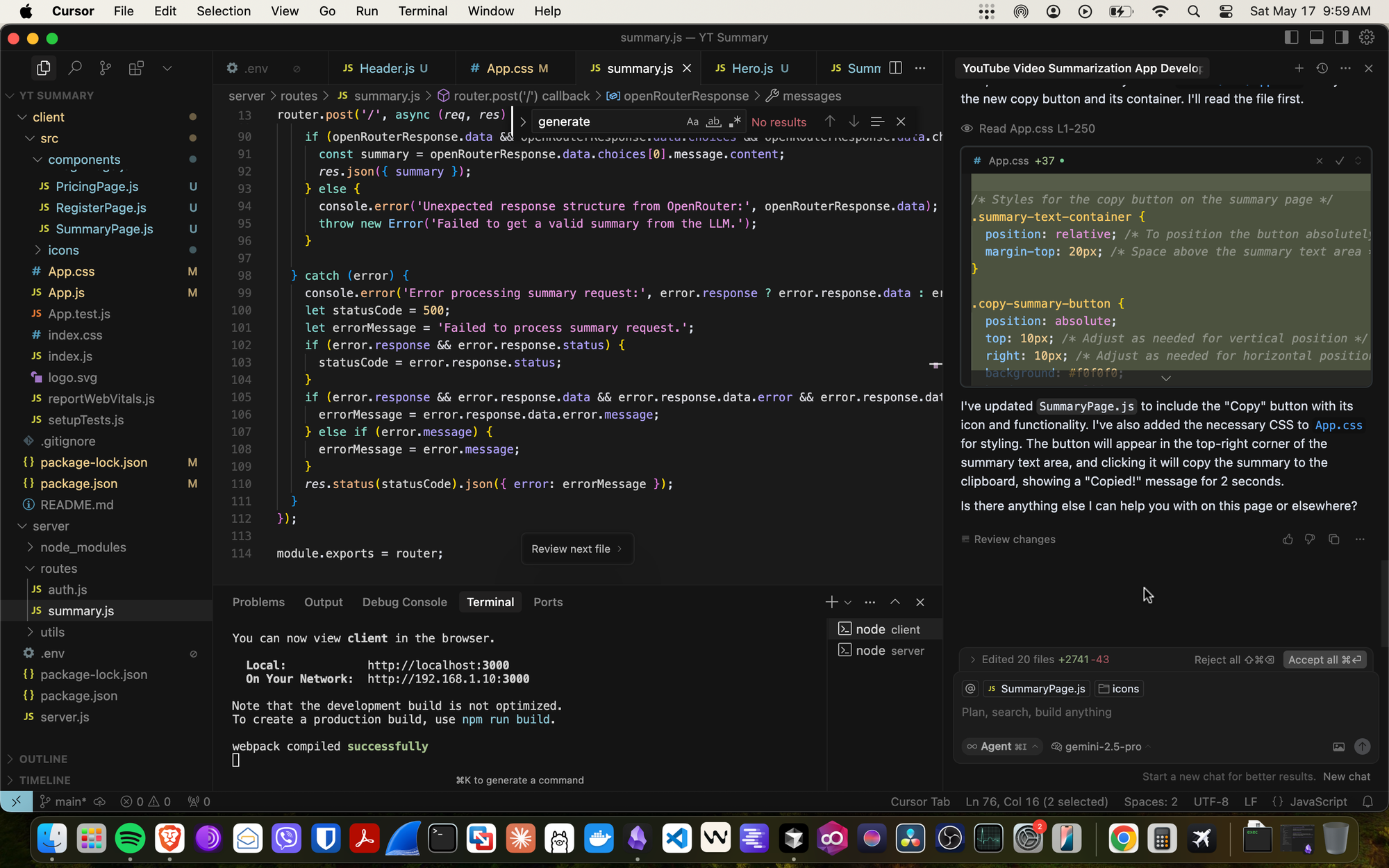
The speaker highlights the shift toward AI-assisted development, showcasing tools like Windsurf (a VS Code fork), VS Code extensions (Klein), online editors (Replit), and the canvas features within larger language models (LLMs) of LLMs like Claude, ChatGPT, and Google's offerings. The tutorial focuses on how these tools can be leveraged to dramatically simplify the coding process.
Accessibility vs. Agency: AI Code Isn't Always the Best Code
While tools like Claude, ChatGPT, and Google’s offerings are easily accessible, they have limitations. For more complex projects or the flexibility to iterate, the speaker admitted to preferring the agentic qualities of Windsurf of Cursor, even though it was a sponsor: "When you type in a prompt into Claude or Chatyppt or Google for it to write code and then execute that code, it's not actually going to be iterating on the code. It's just not as agentic as a windsurf or a cursor is.”
The Primacy of Planning: The "Vibe" Requires Structure
The speaker emphasizes that thorough planning is crucial, even with AI assistance. They advocate for creating detailed product requirements documents (PRDs) and to-do lists, emphasizing that "those edge cases, those details are where you're going to have problems in the future. If you don't think of them now, they will come up in the future.". The AI can assist in generating these documents, but the user must still invest time in refining the plan.
The Git Safety Net: Version Control is Now Non-negotiable
Recognizing the potential for AI to introduce errors, the tutorial strongly advises using version control (Git) to revert to previous working states. The speaker also recommends using GitHub, noting, "That's because if anything goes wrong, you can always roll back. You can find a previous point at which you know the code worked how you expected and just revert the code back to that point and start again."
Rules of Engagement: System Prompts are Key
To steer the AI’s coding style and ensure adherence to best practices, the video outlines using "rules" – akin to system prompts – within tools like Windsurf. Best practices may depend on the language or coding stack, with many rules available in the linked Github repository "awesome cursor rules". These rules are to be defined in Markdown to ensure the code is structured as maintainably as possible.
A/B Testing Code: The Importance of QA
The speaker recommends that users write code one feature at a time before testing the code by writing separate code that confirms the actual code is operating as expected or desired. If any of the tests fail, the presenter recommends addressing the issues until the tests are passing, allowing the developer to iterate on the feature.
Reactions or Implications
The rise of "vibe coding" could lead to a surge in amateur developers, potentially flooding the market with poorly written and vulnerable applications. While the tutorial addresses some security and maintainability concerns, the long-term implications for software quality remain uncertain. The speaker notes in the video that tradition programers have spoken "really negatively about Vibe coders [...] this code is not going to be maintainable and the code is really insecure."
Conclusion
"Vibe coding" represents a potentially revolutionary shift in software development, lowering the barrier to entry and empowering non-programmers to create applications. However, it also presents significant challenges. The user can ask AI to refactor the code to make it more concise and more modular. This process can also address code duplication as one of its best practices. This begs the question, will the security threats lead to more data breaches, or will the increased accessibility and best practice enforcement lead to more well-designed code?